56-day prescribing policy in Wales: barriers and facilitators & interventions
The implementation of extended prescribing intervals, where clinically appropriate, is an important part of the Welsh Government’s efforts to release capacity within primary and community care; specifically within GP practices and community pharmacies. Giving greater flexibility to primary care practitioners to set prescribing intervals that meet patient need, will reduce the time spent on administrative tasks within GP practices and enable community pharmacies to dedicate more time to clinical service provision through delivery of the Clinical Community Pharmacy Service and Pharmacist Independent Prescribing service. All of this activity will release capacity in general practice and reduce demand on urgent care.
This project is used the integrated model to explore the barriers to increasing prescribing intervals and then identified a range of potential interventions that can support prescribers in changing their practice. The study was carried out by a partnership between ICF and The Behaviouralist and involved the most comprehensive use of the Integrated Model to date, and provides a very good illustration of its benefits, including the fact barriers were found along the whole behavioural pathway and differentiating between the behaviour and impact of the policy was crucial in terms of implementation. The report can be found at: https://www.gov.wales/56-day-prescribing-barriers-facilitators-and-interventions-extending-periods-treatment.

Drug Recovering Wings
Drug Recovery Wings (DRWs) are abstinence-based residential wings within prisons in England and Wales intended for those recovering from substance dependency. The Ministry of Justice (MOJ) have funded DRWs in 6 prisons in England and Wales. ICF were commissioned by MOJ to carry out a process evaluation of DRWs in 2024. ICF undertook a process evaluation of the initiative, and used the Integrated Model of Behaviour to develop a behavioural theory of change that identified how the wings were aimed at influencing prisoner's motivations, capability and choices. The theory of change then guided the collection and analysis of data from staff and prisoners. Download the research report here.

Streamlined Energy and Carbon Reporting regulations
SECR requires organisations to report their energy use and carbon emissions and has served as an early cornerstone in the development of other UK and international climate and sustainability frameworks. ICF undertook a comprehensive evaluation using multiple data sources (admin, survey and qualitative) built on the foundation of a rigorous theory of change developed using the Integrated Model of Behaviour. Download the research report here.

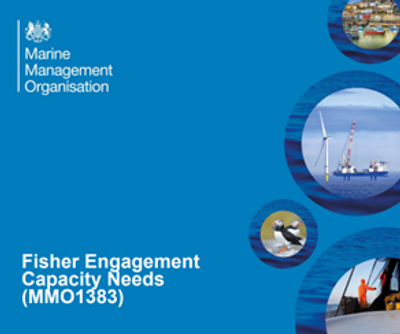
Fisher Engagement Capacity Needs
This project, undertaken by ICF, aimed to improve the way the Marine Management Organisation engages with the fishing industry by analysing the barriers to engagement with the government through a behavioural approach. It used the integrated model of behaviour to explore barriers at each point along the behavioural pathway and suggested a range of solutions. The proposed interventions ranged from those that were low cost and could be implemented quickly to those that would require more time and resources to implement. Download the research report here.
Dallaglio RugbyWorks
Dallaglio RugbyWorks is a sports-for-development programme that uses rugby to engage vulnerable young people and support them to develop mentally and physically, help reduce their behavioural difficulties and improve their life chances, including helping them avoid getting involved in violence. The intervention is being evaluated through a randomised controlled trial funded by the Youth Endowment Fund (part of the What Works Network) and undertaken by ICF, following a intensive co-design period that involved further developing the programme's theory of change using the integrated model of behaviour. The trial protocol can be downloaded here.